


In the intricate world of horology, watch servicing stands as a fundamental practice that ensures the longevity and accuracy of timepieces. At its core, watch servicing involves a comprehensive examination and maintenance of a watch’s internal mechanisms, which can include cleaning, lubrication, and adjustment of various components. This process is essential for both mechanical and quartz watches, as it addresses wear and tear that can accumulate over time.
By understanding the nuances of watch servicing, we can appreciate the craftsmanship that goes into maintaining these intricate devices. When we delve deeper into the mechanics of watch servicing, we discover that it is not merely a routine task but an art form in itself. Each watch is unique, with its own set of specifications and requirements.
A skilled watchmaker must possess a keen eye for detail and a profound understanding of the specific model being serviced. This expertise allows them to identify potential issues before they escalate into more significant problems. Thus, regular servicing becomes a proactive measure that not only preserves the watch’s functionality but also enhances its overall aesthetic appeal.
Summary
- Regular watch servicing is essential for maintaining the accuracy and longevity of your timepiece.
- Watch refurbishment involves restoring the appearance of a watch, including polishing and replacing worn parts.
- Consider watch refurbishment when your watch shows signs of wear and tear, such as scratches or discolouration.
- The process of watch servicing includes disassembling the watch, cleaning and lubricating the movement, and reassembling the watch.
- When choosing between watch servicing and refurbishment, consider the condition of your watch and your desired outcome.
The Importance of Regular Watch Servicing
Regular watch servicing is paramount for anyone who values their timepiece, whether it be a cherished heirloom or a modern luxury watch. Over time, even the most meticulously crafted watches can experience a decline in performance due to factors such as dust accumulation, moisture ingress, and the natural degradation of lubricants. By committing to a regular servicing schedule, we can mitigate these risks and ensure that our watches continue to operate at peak performance.
Moreover, regular servicing can significantly extend the lifespan of our watches. Just as we take our cars for routine maintenance to prevent breakdowns, our watches require similar attention. A well-serviced watch not only keeps accurate time but also retains its value over the years.
Collectors and enthusiasts alike understand that a timepiece with a documented service history is often more desirable in the market. Therefore, investing in regular servicing is not just about functionality; it is also about preserving the intrinsic value of our beloved watches.
What is Watch Refurbishment?
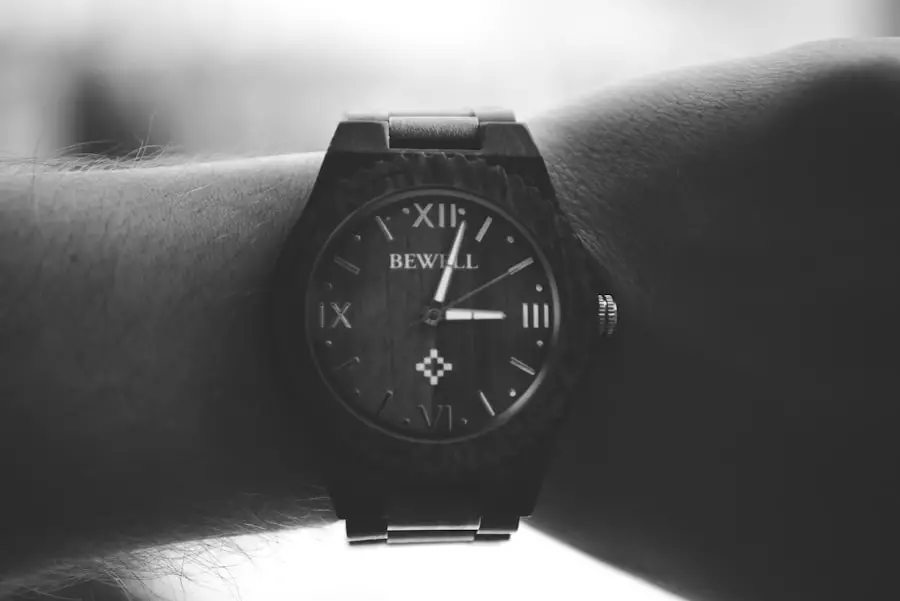
While watch servicing focuses on maintaining the internal mechanisms of a timepiece, watch refurbishment encompasses a broader scope of restoration. Refurbishment may involve cosmetic enhancements, such as polishing the case, replacing worn-out parts, or restoring the original finish of the dial. This process aims to rejuvenate a watch’s appearance while ensuring that it remains fully functional.
For many watch owners, refurbishment can breathe new life into a vintage or well-loved piece that may have seen better days. In essence, refurbishment is about reviving the character of a watch. It allows us to preserve not only the functionality but also the aesthetic appeal that drew us to the timepiece in the first place.
Whether it’s restoring a family heirloom or revitalising a vintage find from a flea market, refurbishment can transform a tired-looking watch into a stunning accessory once again. This process often requires specialised skills and tools, making it essential to seek out experienced professionals who understand the intricacies involved in restoring various types of watches.
When to Consider Watch Refurbishment
Determining when to consider watch refurbishment can be subjective and often depends on our personal attachment to the timepiece in question. If we own a watch that holds sentimental value or has been passed down through generations, we may find ourselves more inclined to invest in refurbishment rather than simply servicing it. Signs that refurbishment may be necessary include visible scratches on the case, discolouration of the dial, or a general lack of luster that diminishes its appeal.
Additionally, if we notice that our watch is not performing as it should—perhaps it is losing time or has developed other mechanical issues—this could also signal that refurbishment is warranted. In such cases, addressing both the mechanical and aesthetic aspects can lead to a more satisfying outcome. By opting for refurbishment, we not only restore functionality but also enhance the visual charm of our timepiece, allowing us to enjoy it for many more years to come.
The Process of Watch Servicing
The process of watch servicing typically begins with a thorough inspection by a qualified watchmaker. This initial assessment allows them to identify any issues that may require attention. Once diagnosed, the watch is carefully disassembled to access its intricate components.
Each part is meticulously cleaned using ultrasonic cleaners or specialised solutions designed to remove dirt and grime without causing damage. After cleaning, lubrication is applied to critical areas where friction occurs, ensuring smooth operation. The watchmaker then reassembles the timepiece with precision, calibrating it to ensure accurate timekeeping.
Finally, the watch undergoes rigorous testing to confirm its performance before being returned to us. This entire process can take anywhere from a few days to several weeks, depending on the complexity of the watch and the extent of the required service.
The Process of Watch Refurbishment

Refurbishment involves a more extensive process than standard servicing, as it addresses both mechanical and aesthetic elements of a watch. Initially, like servicing, refurbishment begins with an inspection to assess both functionality and appearance. Once any mechanical issues are identified and resolved through servicing techniques, attention shifts to cosmetic enhancements.
This may involve polishing the case to remove scratches or dents and restoring the original finish of the dial. In some cases, parts may need replacing—such as hands or crystals—that have become damaged over time. The goal is to return the watch to its former glory while ensuring that it remains fully operational.
Throughout this process, skilled artisans employ various techniques tailored to each specific model and its materials, ensuring that every detail is attended to with care.
Choosing Between Watch Servicing and Watch Refurbishment
When faced with the decision between servicing and refurbishment, we must consider several factors related to our individual circumstances and preferences. If our primary concern is maintaining accurate timekeeping and ensuring longevity, regular servicing may suffice. This option is often less invasive and focuses solely on the internal mechanisms without altering the external appearance significantly.
Conversely, if we own a vintage piece or one that has significant sentimental value showing signs of wear and tear, refurbishment might be more appropriate. This choice allows us to restore both functionality and aesthetics while preserving the character of the watch. Ultimately, our decision should reflect our attachment to the timepiece and our desire for either preservation or restoration.
Both watch servicing and refurbishment offer distinct benefits that cater to different needs and preferences. Regular servicing ensures that our watches remain in optimal working condition while preventing potential issues from escalating into costly repairs. It is an investment in longevity that pays off by maintaining accuracy and reliability over time.
On the other hand, refurbishment provides an opportunity for transformation—revitalising a beloved piece that may have lost its charm due to age or wear. It allows us to enjoy our watches not only as functional instruments but also as beautiful accessories that reflect our personal style. By understanding these benefits, we can make informed decisions about how best to care for our timepieces, ensuring they continue to serve us well for years to come.
In conclusion, whether we choose regular servicing or opt for refurbishment depends on our individual needs and attachment to our watches. Both processes play crucial roles in preserving these intricate devices, allowing us to appreciate their beauty and functionality for generations ahead.
In the realm of horology, understanding the nuances between watch servicing and watch refurbishment is crucial for any watch enthusiast. While servicing typically involves routine maintenance to ensure the timepiece functions accurately, refurbishment often includes aesthetic enhancements to restore the watch’s original appearance. For those interested in delving deeper into the intricacies of watch care, an insightful article on Our Service at Watch Kings provides a comprehensive overview of the meticulous processes involved in maintaining and restoring luxury watches. This resource is invaluable for anyone looking to preserve the longevity and beauty of their cherished timepieces.
