


In the world of horology, the materials used in the construction of luxury watches play a pivotal role in defining their character, durability, and overall appeal. As we delve into the realm of luxury timepieces, we find ourselves surrounded by an array of materials, each with its unique properties and aesthetic qualities. From the classic allure of gold to the modern sophistication of titanium, the choice of material can significantly influence not only the watch’s appearance but also its functionality and longevity.
As we explore the various materials that adorn luxury watches, we begin to appreciate the craftsmanship and engineering that go into creating these exquisite pieces. The selection of materials is not merely a matter of aesthetics; it reflects the brand’s philosophy, heritage, and commitment to quality. In this article, we will examine some of the most prominent materials used in luxury watches, focusing on steel, gold, and titanium, while also considering their respective polishing techniques that enhance their beauty and durability.
Summary
- Steel is a popular material for luxury watches due to its durability and resistance to corrosion.
- The polishing process for steel luxury watches involves using abrasive materials to create a smooth and shiny finish.
- Gold is highly sought after in luxury watches for its luxurious and timeless appeal.
- Polishing techniques for gold luxury watches often involve using special polishing compounds to achieve a lustrous finish.
- Titanium is favoured for luxury watches due to its lightweight nature, strength, and resistance to corrosion.
The Properties of Steel in Luxury Watches
Steel has long been a staple in the world of luxury watches, revered for its strength, resilience, and versatility. When we think of steel in this context, we often refer to stainless steel, an alloy that combines iron with chromium and other elements to create a material that is not only resistant to corrosion but also possesses a lustrous finish. This makes stainless steel an ideal choice for watchmakers who seek to balance durability with elegance.
One of the most appealing properties of steel is its ability to withstand the rigours of daily wear while maintaining its aesthetic charm. Unlike softer metals that may scratch or dent easily, steel offers a robust solution for those who lead active lifestyles. Furthermore, its neutral tone allows for a wide range of design possibilities, making it a favourite among both traditional and contemporary watchmakers.
As we consider the properties of steel, we also recognise its hypoallergenic nature, which ensures comfort for those with sensitive skin.
The Polishing Process for Steel Luxury Watches
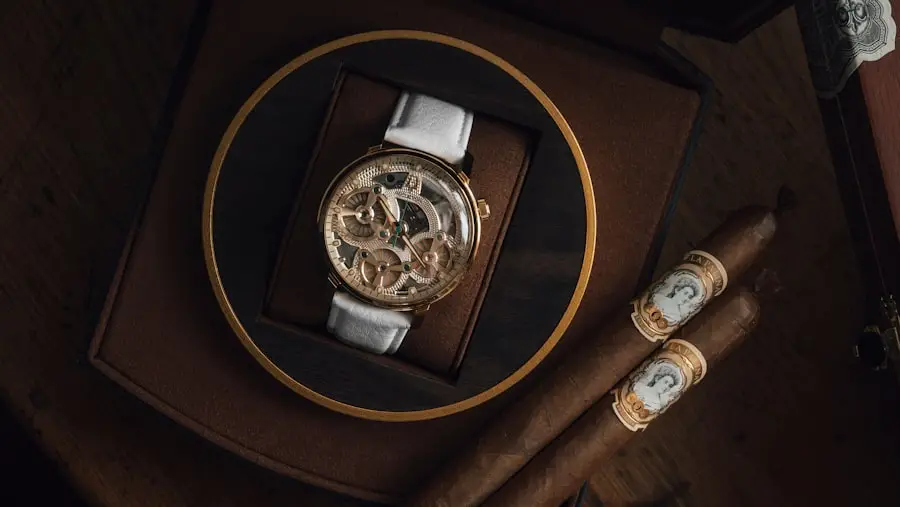
The polishing process for steel luxury watches is an art form in itself, requiring precision and skill to achieve the desired finish. When we think about polishing steel, we envision a meticulous procedure that transforms raw metal into a gleaming surface that reflects light beautifully. This process typically involves several stages, including grinding, sanding, and buffing, each designed to eliminate imperfections and enhance the watch’s overall appearance.
Initially, the watch case undergoes grinding to remove any rough edges or surface blemishes. Following this, finer sanding techniques are employed to smooth out the surface further. Finally, buffing with soft cloths and polishing compounds brings out the shine that characterises high-end steel watches.
The result is a stunning finish that not only enhances the watch’s visual appeal but also contributes to its resistance against scratches and wear over time. As we admire these polished steel timepieces, we cannot help but appreciate the craftsmanship that goes into creating such exquisite works of art.
The Appeal of Gold in Luxury Watches
Gold has long been synonymous with luxury and opulence, making it a highly sought-after material in the world of horology. When we think of gold watches, images of elegance and prestige come to mind. The warm hue of gold exudes a sense of richness that few other materials can replicate.
Whether in its classic yellow form or in more contemporary variations like rose gold or white gold, this precious metal has an enduring appeal that transcends trends. Beyond its aesthetic allure, gold possesses unique properties that make it an excellent choice for luxury watches. It is highly malleable, allowing watchmakers to create intricate designs and details that showcase their artistry.
Additionally, gold is resistant to tarnishing and corrosion, ensuring that these timepieces maintain their beauty over time. As we explore the appeal of gold in luxury watches, we also recognise its symbolic significance; owning a gold watch often represents success and achievement, making it a cherished possession for many.
Polishing Techniques for Gold Luxury Watches
Polishing gold luxury watches requires a different approach compared to steel due to its softer nature. When we consider polishing techniques for gold, we must take care not to remove too much material or compromise the intricate details that define these exquisite timepieces. The process typically begins with gentle cleaning using mild soaps and soft brushes to remove dirt and grime without scratching the surface.
Once cleaned, watchmakers often employ specialised polishing compounds designed specifically for gold. These compounds are less abrasive than those used for steel and are applied using soft cloths or polishing wheels to achieve a lustrous finish. The goal is to enhance the natural shine of the gold while preserving its integrity.
As we observe these polished gold watches glistening under the light, we are reminded of the delicate balance between maintaining their beauty and ensuring their longevity.
The Advantages of Titanium in Luxury Watches
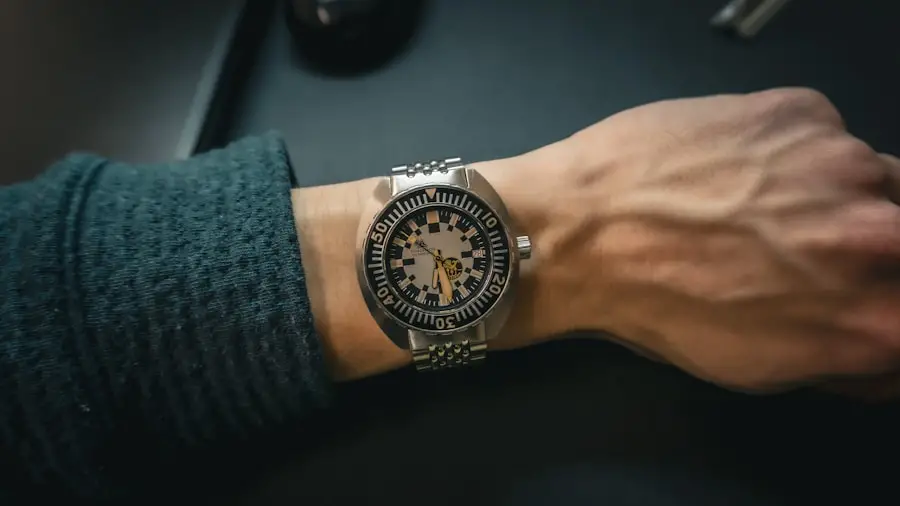
In recent years, titanium has emerged as a popular alternative to traditional materials like steel and gold in luxury watches. When we consider titanium’s advantages, we find that it offers a unique combination of strength and lightweight properties that appeal to modern consumers. This metal is significantly lighter than steel yet equally durable, making it an ideal choice for those who prefer comfort without sacrificing quality.
Another notable advantage of titanium is its exceptional resistance to corrosion and scratches. This makes it particularly suitable for individuals who lead active lifestyles or work in demanding environments. Additionally, titanium is hypoallergenic, making it an excellent option for those with sensitive skin who may experience irritation from other metals.
As we explore the advantages of titanium in luxury watches, we begin to understand why many brands are incorporating this innovative material into their collections.
Polishing Methods for Titanium Luxury Watches
Polishing titanium luxury watches presents unique challenges due to its hardness compared to other metals. When we think about polishing techniques for titanium, we recognise that traditional methods may not yield the desired results. Instead, specialised tools and compounds are often employed to achieve a polished finish without damaging the surface.
The process typically begins with thorough cleaning to remove any dirt or oils that may have accumulated on the watch’s surface. Following this, watchmakers may use diamond-coated polishing pads or wheels designed specifically for titanium to achieve a smooth finish. These tools allow for precise control over the polishing process while minimising the risk of scratches or imperfections.
As we admire polished titanium watches, we appreciate not only their striking appearance but also the advanced techniques required to create such stunning pieces.
Choosing the Right Material for Your Luxury Watch
As we conclude our exploration of luxury watch materials, it becomes evident that each option offers distinct advantages and aesthetic qualities that cater to different preferences and lifestyles. Whether one is drawn to the timeless elegance of gold, the robust durability of steel, or the modern appeal of titanium, our choice ultimately reflects our personal style and values. When selecting a luxury watch, it is essential to consider not only the material but also how it aligns with our daily lives and activities.
Each material has its unique characteristics that can enhance our experience as watch enthusiasts. By understanding these properties and polishing techniques, we can make informed decisions that ensure our chosen timepiece remains a cherished companion for years to come. In this ever-evolving world of horology, our appreciation for these materials deepens as we recognise their significance in crafting exceptional luxury watches that stand the test of time.
In the realm of luxury watches, the choice of material plays a pivotal role in both aesthetics and functionality. An insightful article titled Metal Types in Watchmaking delves into the various metals used in crafting these exquisite timepieces, including steel, gold, and titanium. It explores how each material responds to polishing, offering a deeper understanding of their unique properties and the impact on the watch’s overall appearance and durability. This complements the discussion on luxury watch materials, providing enthusiasts with a comprehensive view of the craftsmanship involved in creating these timeless pieces.
