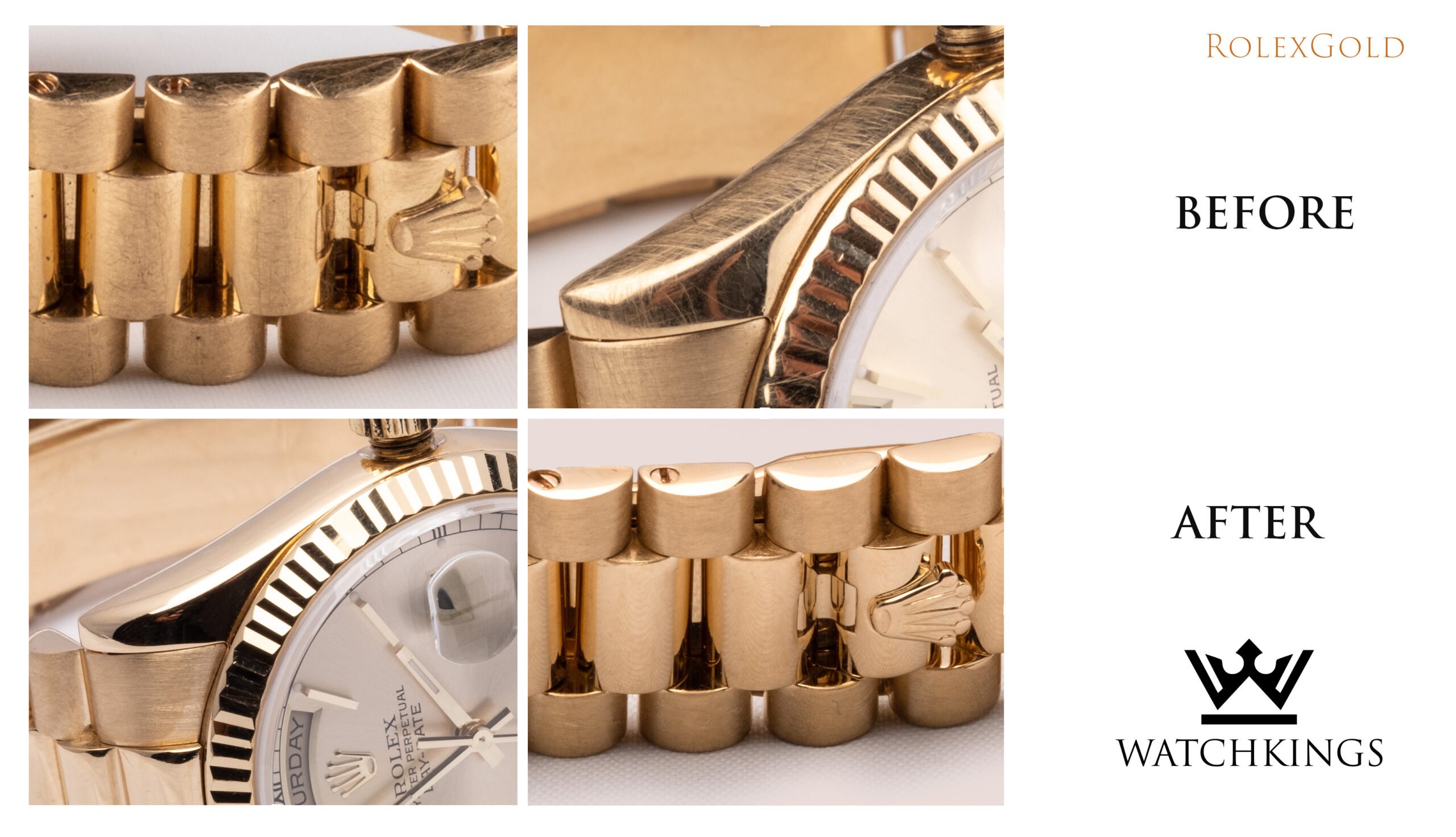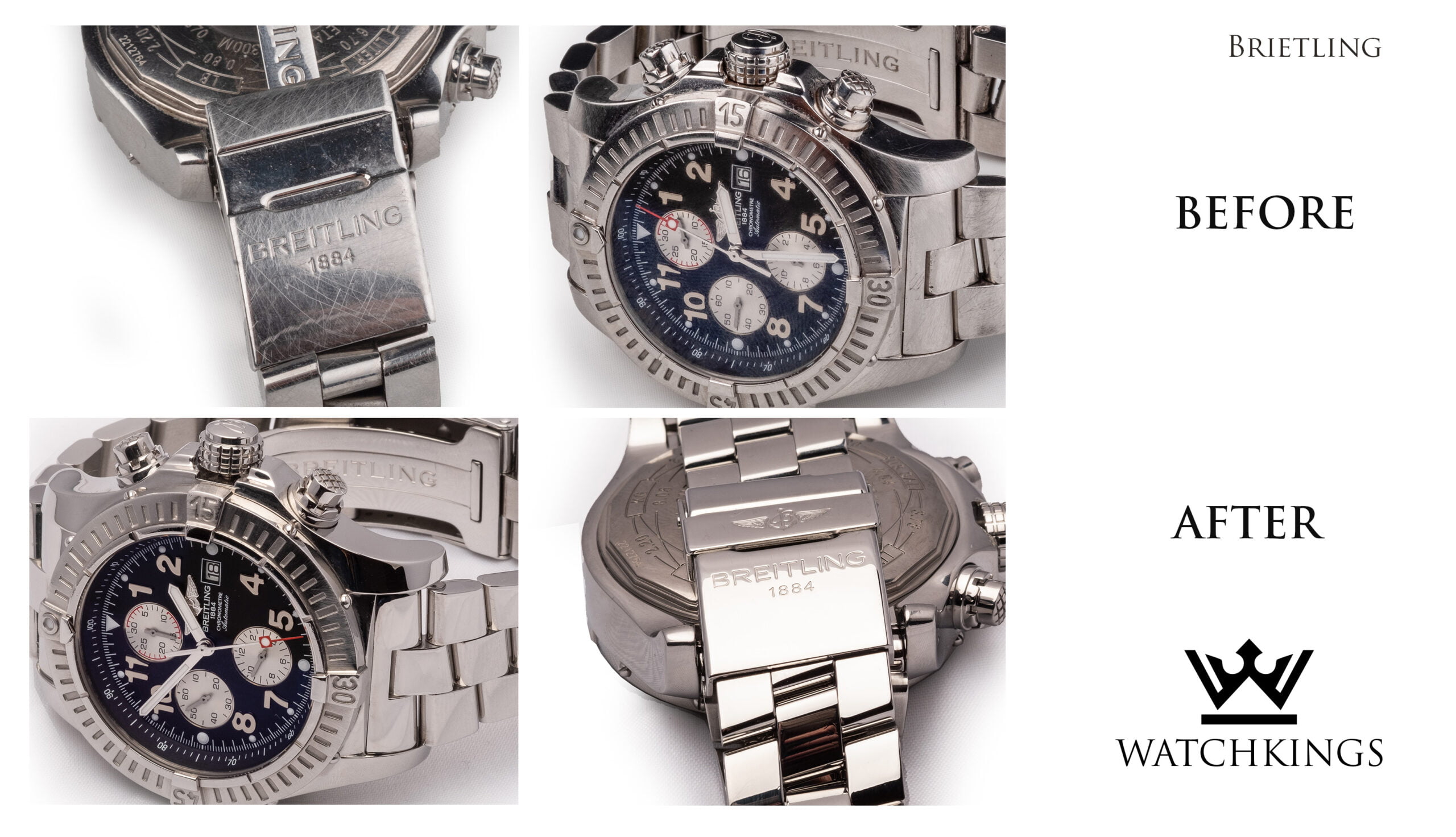

In the world of horology, the significance of a well-maintained watch bracelet cannot be overstated. A watch is not merely a tool for telling time; it is an expression of personal style and a testament to craftsmanship. Over time, however, even the most exquisite watch bracelets can succumb to wear and tear.
This is where refurbishment comes into play. By refurbishing our watch bracelets, we not only restore their aesthetic appeal but also prolong their lifespan, ensuring that they continue to serve us well for years to come. Moreover, refurbishing our watch bracelets can enhance their functionality.
A worn-out bracelet may not fit securely on our wrist, leading to discomfort or even loss of the watch. By investing time and effort into refurbishment, we can ensure that our timepieces remain both beautiful and practical. This process allows us to reconnect with our watches, appreciating their history and the memories they hold while also ensuring they remain a cherished part of our daily lives.
Summary
- Watch bracelet refurbishment is important for maintaining the overall appearance and functionality of your timepiece.
- Assess the condition of your watch bracelet by checking for scratches, dents, and discolouration to determine if it needs refurbishment.
- Choose the right materials for refurbishment based on the type of watch bracelet and your personal preferences.
- Consider the pros and cons of DIY refurbishment versus professional refurbishment before making a decision.
- Follow a step-by-step guide for DIY watch bracelet refurbishment, including cleaning, polishing, and reassembling the bracelet.
Assessing the Condition of Your Watch Bracelet
Before embarking on the refurbishment journey, it is essential for us to assess the condition of our watch bracelet thoroughly. This initial evaluation will guide us in determining the extent of refurbishment required. We should examine the bracelet for signs of wear, such as scratches, discolouration, or loose links.
Each of these indicators can provide insight into the level of care our bracelet has received over time and what steps we need to take to restore it. Additionally, we must consider the material of our watch bracelet. Different materials, such as stainless steel, leather, or rubber, may exhibit varying signs of wear and require different approaches to refurbishment.
By understanding the specific needs of our bracelet’s material, we can tailor our refurbishment efforts accordingly. This careful assessment not only helps us identify the necessary repairs but also allows us to appreciate the craftsmanship that went into creating our timepiece.
Choosing the Right Materials for Refurbishment
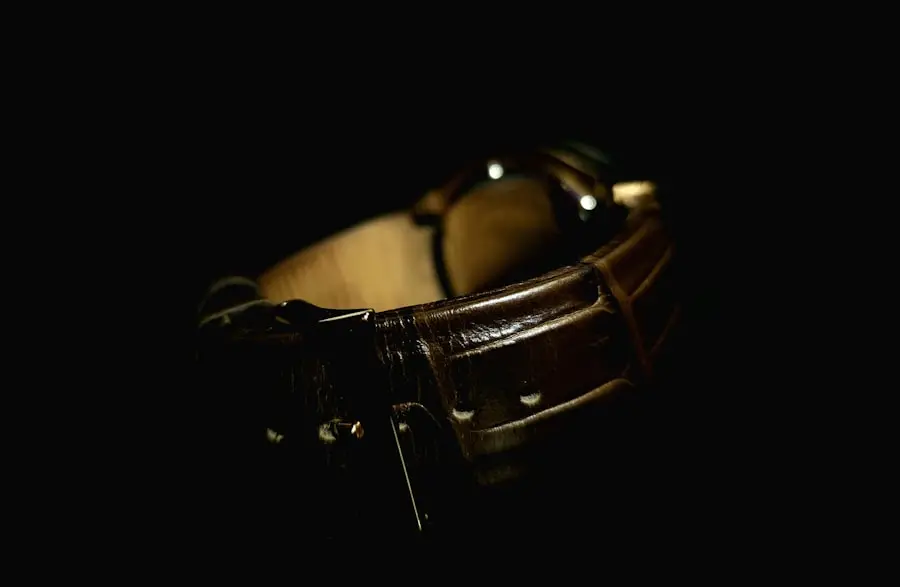
When it comes to refurbishing our watch bracelets, selecting the right materials is crucial for achieving a successful outcome. Depending on the type of bracelet we own, we may need to source specific cleaning agents, replacement parts, or protective coatings. For instance, stainless steel bracelets may require metal polish and a soft cloth for cleaning, while leather straps might benefit from specialised leather conditioners to restore their suppleness.
Furthermore, we should consider the longevity and compatibility of the materials we choose. Using high-quality products will not only enhance the appearance of our watch bracelet but also ensure that it withstands daily wear and tear. By investing in the right materials, we can achieve a refurbishment that not only looks good but also stands the test of time, allowing us to enjoy our watches for many more years.
DIY vs Professional Refurbishment: Pros and Cons
As we contemplate refurbishing our watch bracelets, we often find ourselves weighing the options between a DIY approach and seeking professional assistance. Each method has its own set of advantages and disadvantages that we must consider carefully. On one hand, undertaking a DIY refurbishment can be a rewarding experience.
It allows us to engage directly with our timepiece and develop a deeper understanding of its mechanics and materials. Additionally, it can be a cost-effective solution, as we can save on labour costs associated with professional services. However, we must also acknowledge the potential pitfalls of DIY refurbishment.
Without proper knowledge or experience, we risk damaging our watch bracelet further or failing to achieve the desired results. On the other hand, opting for professional refurbishment ensures that our watch is in capable hands. Skilled artisans possess the expertise and tools necessary to restore our bracelets to their former glory.
Yet, this convenience often comes at a higher price point, which may not be feasible for everyone.
Step-by-Step Guide to DIY Watch Bracelet Refurbishment
For those of us who choose to embark on a DIY refurbishment journey, having a clear step-by-step guide can make all the difference. First and foremost, we should gather all necessary tools and materials before starting the process. This may include cleaning solutions, polishing cloths, replacement links or pins, and any other items specific to our bracelet’s material.
Once we have everything ready, we can begin by cleaning the bracelet thoroughly. Using a soft cloth and an appropriate cleaning solution, we should gently remove dirt and grime from every nook and cranny. After cleaning, we can assess any scratches or damage that may require polishing or repair.
For metal bracelets, using a fine polishing compound can help eliminate minor scratches and restore shine. Next, if we find any loose links or damaged parts, we should carefully replace them using appropriate tools. This step requires patience and precision to ensure that everything fits securely back into place.
Finally, once all repairs are complete, applying a protective coating can help shield our refurbished bracelet from future wear and tear.
Finding a Reliable Professional for Watch Bracelet Refurbishment
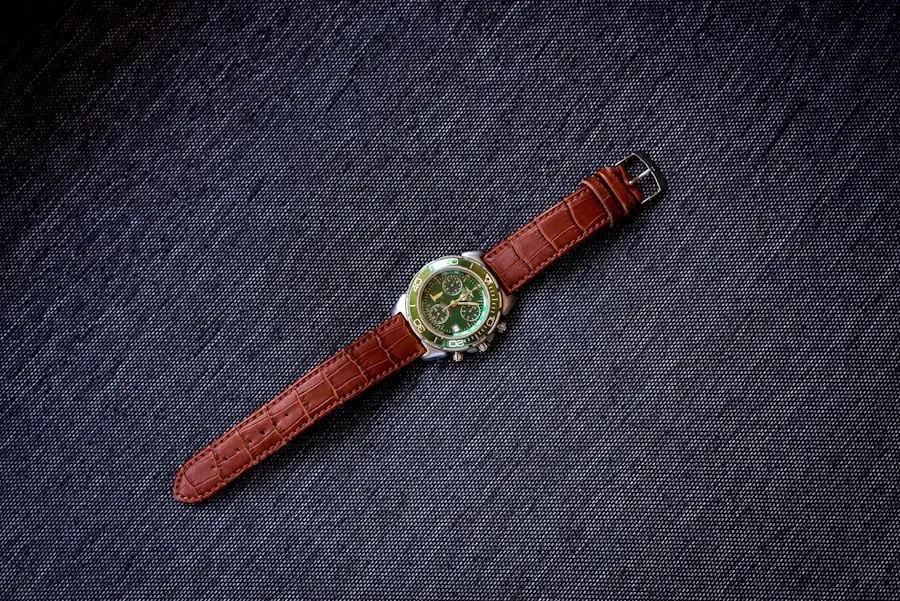
If we decide that professional refurbishment is the best route for our watch bracelet, finding a reliable expert is paramount. We should start by researching local watchmakers or jewellers with a solid reputation in watch servicing. Online reviews and recommendations from fellow watch enthusiasts can provide valuable insights into the quality of service offered by various professionals.
When evaluating potential candidates, it is essential for us to inquire about their experience with refurbishing watch bracelets specifically. A professional who has worked extensively with different materials and styles will be better equipped to handle our unique needs. Additionally, asking about their refurbishment process can give us confidence in their methods and ensure that they align with our expectations.
Once we have narrowed down our options, visiting the workshop in person can provide further assurance. Observing their workspace and speaking directly with the professionals can help us gauge their level of expertise and commitment to quality craftsmanship.
Maintaining Your Refurbished Watch Bracelet
After successfully refurbishing our watch bracelet—whether through DIY efforts or professional assistance—maintaining its condition becomes crucial for longevity. Regular cleaning should be part of our routine; depending on the material, this may involve wiping down metal bracelets with a soft cloth or using specialised cleaners for leather straps. By keeping our bracelets clean from dirt and sweat, we can prevent premature wear and maintain their appearance.
Additionally, periodic inspections are essential for identifying any signs of damage early on. We should check for loose links or signs of discolouration regularly so that we can address any issues before they escalate into more significant problems. By being proactive in our maintenance efforts, we can ensure that our refurbished watch bracelet remains in excellent condition for years to come.
Tips for Extending the Lifespan of Your Refurbished Watch Bracelet
To truly maximise the lifespan of our refurbished watch bracelet, there are several tips we can incorporate into our daily habits. First and foremost, we should avoid exposing our bracelets to harsh chemicals or extreme conditions whenever possible. This includes removing our watches before engaging in activities such as swimming in chlorinated pools or applying lotions and perfumes that could damage the materials.
Furthermore, storing our watches properly when not in use is vital for preventing unnecessary wear. Using a dedicated watch box or pouch can protect them from scratches and environmental factors that could lead to deterioration over time. Additionally, rotating between multiple watches can help reduce wear on any single bracelet while allowing us to enjoy different styles.
Lastly, staying informed about best practices for caring for specific materials will empower us to make informed decisions regarding maintenance and refurbishment in the future. By adopting these habits and being mindful of how we treat our refurbished watch bracelets, we can ensure they remain cherished accessories in our lives for many years ahead.
For those interested in delving deeper into the world of watch maintenance, a related article that complements “The Ultimate Guide to Watch Bracelet Refurbishment” is