


The history of watch refurbishment in the UK is a fascinating journey that reflects the evolution of craftsmanship and consumer culture. In the early days of horology, particularly during the 18th and 19th centuries, watches were often bespoke creations, meticulously crafted by skilled artisans. These timepieces were not merely functional; they were symbols of status and artistry.
As the industrial revolution took hold, mass production began to change the landscape of watchmaking. However, even as watches became more accessible, the need for maintenance and refurbishment remained paramount. This period saw the emergence of watchmakers who specialised in restoring these intricate devices, ensuring that they continued to function and retain their aesthetic appeal.
As we moved into the 20th century, the art of watch refurbishment became more formalised. The introduction of quartz technology in the 1970s posed a significant challenge to traditional watchmakers, leading to a decline in mechanical watch sales. Yet, this shift also sparked a renewed interest in vintage and mechanical watches, prompting many enthusiasts to seek refurbishment services to restore their cherished timepieces.
The UK, with its rich horological heritage, became a hub for skilled watchmakers who could breathe new life into these watches. Today, we find ourselves in an era where the appreciation for craftsmanship and history has led to a resurgence in the demand for professional watch refurbishment.
Summary
- Watch refurbishment in the UK has a rich history dating back to the early days of watchmaking, with a focus on preserving and restoring the craftsmanship of vintage timepieces.
- There is a growing demand for professional watch refurbishment services in the UK, driven by a desire to maintain and enhance the value of luxury and vintage watches.
- Technology plays a crucial role in watch refurbishment, enabling precision and accuracy in the restoration process, from cleaning and polishing to intricate repairs.
- Skilled watchmakers are essential in the refurbishment process, bringing expertise and craftsmanship to ensure the highest quality of workmanship and attention to detail.
- Refurbishing vintage and luxury watches offers benefits such as preserving heritage, increasing value, and extending the lifespan of these timeless pieces, making them a worthwhile investment for collectors and enthusiasts.
The Growing Demand for Professional Watch Refurbishment
In recent years, we have witnessed a remarkable surge in the demand for professional watch refurbishment services across the UK. This trend can be attributed to several factors, including a growing appreciation for vintage and luxury timepieces. As more individuals recognise the value of owning a unique watch with a story, they are increasingly inclined to invest in refurbishment rather than purchasing new models.
This shift in consumer behaviour highlights a broader cultural movement towards sustainability and individuality, where people seek to preserve and cherish their possessions rather than discard them. Moreover, the rise of social media and online platforms has played a pivotal role in this growing demand. We are now more connected than ever, allowing watch enthusiasts to share their collections and experiences with a global audience.
This visibility has not only fostered a community of collectors but has also heightened awareness about the importance of maintaining and refurbishing watches. As we engage with fellow enthusiasts online, we often find ourselves inspired by stories of restoration and the craftsmanship involved in bringing a timepiece back to life. Consequently, this has led to an increased willingness to seek out professional refurbishment services that can ensure our watches are restored to their former glory.
The Role of Technology in Watch Refurbishment

Technology has undeniably transformed the landscape of watch refurbishment, enhancing both the precision and efficiency of the process. In recent years, advancements in tools and techniques have allowed watchmakers to perform intricate repairs with greater accuracy than ever before. For instance, modern diagnostic equipment enables us to identify issues within a watch’s movement that may not be visible to the naked eye.
This level of detail ensures that we can address problems before they escalate, ultimately prolonging the life of our beloved timepieces. Additionally, technology has facilitated the creation of high-quality replacement parts that are often indistinguishable from original components. This is particularly important for vintage watches, where sourcing authentic parts can be challenging.
With 3D printing and computer-aided design (CAD), skilled watchmakers can now produce bespoke components tailored to specific models. This innovation not only streamlines the refurbishment process but also allows us to maintain the integrity of our watches while ensuring they function flawlessly. As we embrace these technological advancements, we find ourselves at the intersection of tradition and innovation, where craftsmanship meets modernity.
The Importance of Skilled Watchmakers in the Refurbishment Process
While technology plays a crucial role in watch refurbishment, it is ultimately the skill and expertise of watchmakers that breathe life into these timepieces. The art of horology requires years of training and experience, as well as an unwavering passion for precision and detail. Skilled watchmakers possess an intimate understanding of how each component interacts within a watch’s movement, allowing them to diagnose issues accurately and implement effective solutions.
Their craftsmanship is what sets professional refurbishment apart from DIY attempts or less experienced services. Moreover, skilled watchmakers bring a wealth of knowledge about different brands and models, which is essential when refurbishing vintage or luxury watches. Each timepiece has its own unique characteristics and quirks that require a tailored approach during refurbishment.
By entrusting our watches to these artisans, we can be confident that they will not only restore functionality but also preserve the original aesthetic and value of our timepieces. In an age where mass production often overshadows craftsmanship, we must recognise and celebrate the vital role that skilled watchmakers play in maintaining our horological heritage.
The Benefits of Refurbishing Vintage and Luxury Watches
Refurbishing vintage and luxury watches offers numerous benefits that extend beyond mere aesthetics. For many of us, these timepieces hold sentimental value or represent significant milestones in our lives. By investing in refurbishment, we can ensure that these cherished items continue to tell our stories for generations to come.
Furthermore, refurbishing a watch can significantly enhance its value, especially if it is a limited edition or a model with historical significance. A well-refurbished timepiece can command a higher price on the market than one that has been neglected or poorly maintained. Additionally, refurbishing allows us to enjoy our watches without compromising their integrity.
Many vintage watches may have suffered from wear and tear over the years, leading to diminished performance or aesthetic appeal. Through professional refurbishment, we can restore their functionality while retaining their original charm. This process often includes cleaning, servicing movements, replacing worn parts, and refinishing cases and dials.
As we wear our refurbished watches, we not only appreciate their beauty but also take pride in knowing that we have contributed to preserving horological history.
The Rise of Sustainable Practices in Watch Refurbishment
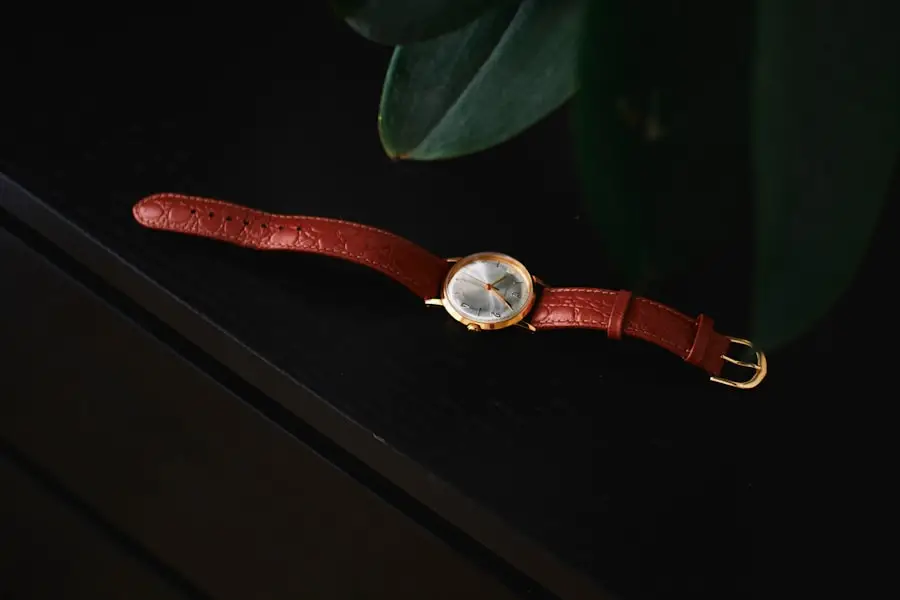
As we navigate an increasingly environmentally conscious world, sustainable practices have become paramount in various industries, including watch refurbishment. The concept of sustainability resonates deeply with many of us who are keen on reducing waste and minimising our environmental footprint. By choosing to refurbish rather than replace our watches, we actively participate in a circular economy that values longevity over disposability.
Many professional refurbishment services are now adopting eco-friendly practices as part of their commitment to sustainability. This includes sourcing materials responsibly, using environmentally friendly cleaning agents, and implementing energy-efficient processes in their workshops. By supporting these initiatives, we not only contribute to environmental preservation but also encourage a shift towards more responsible consumption within the luxury goods sector.
As we become more aware of our choices as consumers, it is heartening to see how the watch refurbishment industry is evolving to meet these demands.
The Future of Professional Watch Refurbishment in the UK
Looking ahead, the future of professional watch refurbishment in the UK appears promising as we continue to embrace both tradition and innovation. With an ever-growing community of watch enthusiasts and collectors, there is likely to be sustained demand for skilled refurbishment services. As more individuals recognise the value of preserving their timepieces rather than discarding them for newer models, we can expect an increase in both interest and investment in this sector.
Furthermore, as technology continues to advance, we anticipate even greater improvements in refurbishment techniques and tools. The integration of artificial intelligence and machine learning may revolutionise diagnostics and repairs, allowing watchmakers to work more efficiently while maintaining high standards of quality. As we move forward into this new era of horology, it is essential that we remain committed to supporting skilled artisans who uphold the values of craftsmanship and sustainability.
Choosing the Right Professional Watch Refurbishment Service
When it comes to selecting a professional watch refurbishment service, there are several factors we should consider to ensure our timepieces receive the best possible care. First and foremost, it is crucial to research potential service providers thoroughly. We should look for established businesses with a solid reputation within the horological community.
Reading reviews from previous customers can provide valuable insights into their experiences and satisfaction levels. Additionally, we should inquire about the qualifications and experience of the watchmakers themselves. A reputable service will proudly showcase their expertise and may even offer information about their training or affiliations with recognised horological institutions.
It is also wise to ask about their refurbishment processes and whether they use original parts or high-quality replacements when necessary. By taking these steps, we can confidently choose a professional watch refurbishment service that aligns with our values and ensures our cherished timepieces are treated with the utmost care and respect. In conclusion, as we reflect on the rich history and evolving landscape of watch refurbishment in the UK, it becomes clear that this practice is not merely about restoring functionality; it is about preserving stories, celebrating craftsmanship, and embracing sustainability.
With skilled artisans at the helm and technology paving new paths forward, we find ourselves at an exciting juncture where tradition meets innovation—ensuring that our beloved timepieces continue to tick for generations to come.
In recent years, the professional watch refurbishment industry in the UK has seen a significant rise, driven by an increasing appreciation for luxury timepieces and the desire to maintain their pristine condition. This trend is not only about preserving the aesthetic appeal of watches but also about enhancing their longevity and value. A related article that delves into the intricacies of maintaining and restoring watches is Watch Polishing & Valeting. This piece provides insights into the meticulous processes involved in watch polishing and valeting, highlighting the skills and expertise required to restore timepieces to their former glory. As more individuals recognise the importance of professional refurbishment, the demand for such specialised services continues to grow, underscoring the value placed on these timeless accessories.
