


When it comes to the care and maintenance of our luxury watches, we often find ourselves confronted with the terms “polishing” and “buffing.” While these two processes may seem similar at first glance, they serve distinct purposes and yield different results. Polishing typically involves the use of abrasive materials to remove scratches and imperfections from the surface of the watch, effectively restoring its original shine. This process can be quite intensive, as it often requires the removal of a thin layer of metal or material to achieve a flawless finish.
On the other hand, buffing is generally a gentler procedure. It focuses on enhancing the existing shine of the watch without necessarily removing any material. Buffing usually employs softer materials and compounds that help to smooth out minor surface imperfections and restore lustre.
Understanding these differences is crucial for us as watch enthusiasts, as it allows us to make informed decisions about how best to care for our prized timepieces.
Summary
- Polishing involves removing a thin layer of metal to restore the watch’s shine, while buffing is a gentler process that smoothens out scratches and imperfections.
- Regular maintenance is crucial for preserving the value and appearance of your luxury watch.
- Polishing a luxury watch involves carefully removing scratches and blemishes using abrasive compounds and tools.
- Buffing a luxury watch is a less aggressive process that uses softer materials to smooth out imperfections and restore the watch’s lustre.
- Pros of polishing include restoring the watch’s original shine, but cons include the removal of metal and potential alteration of the watch’s original finish.
The Importance of Maintaining Your Luxury Watch
Maintaining our luxury watches is not merely about aesthetics; it is also about preserving their value and functionality. A well-maintained watch can retain its worth over time, while neglect can lead to depreciation. Regular maintenance ensures that the intricate mechanisms within our watches continue to function optimally, preventing costly repairs down the line.
Moreover, a luxury watch is often an investment, and we want to ensure that it remains in pristine condition for years to come. Additionally, the emotional connection we have with our luxury watches cannot be overlooked. These timepieces often carry sentimental value, whether they were gifts from loved ones or milestones in our lives.
By taking the time to maintain them properly, we honour that connection and ensure that our watches can be passed down through generations. Thus, understanding the importance of maintenance is essential for us as custodians of these exquisite pieces.
The Process of Polishing a Luxury Watch
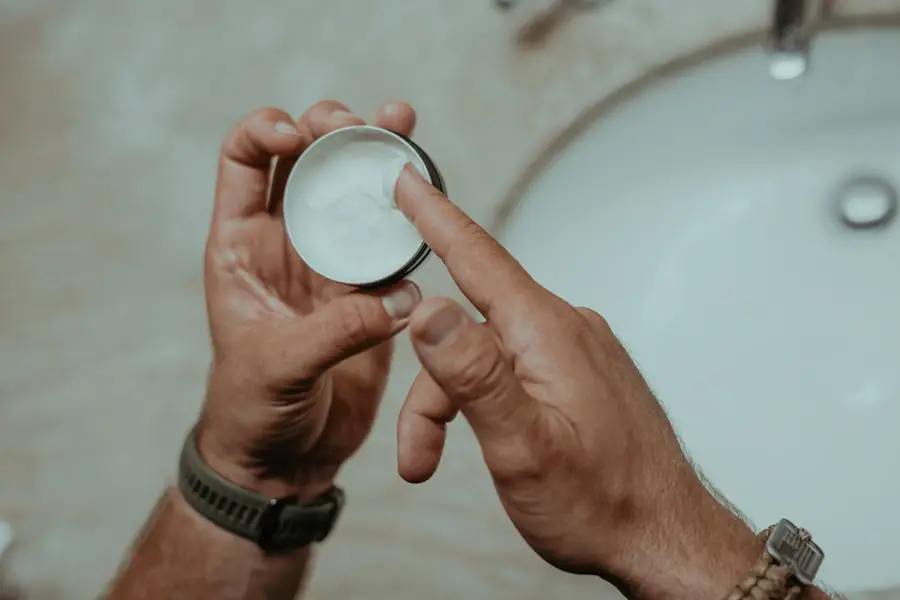
Polishing a luxury watch is a meticulous process that requires both skill and precision. The first step typically involves assessing the watch’s condition to determine the extent of scratches and imperfections. Once we have a clear understanding of what needs to be addressed, we can select the appropriate polishing tools and materials.
This may include various grades of abrasive compounds, polishing wheels, and cloths designed specifically for watch surfaces. As we begin the polishing process, it is crucial to work methodically. We start with a coarser abrasive to tackle deeper scratches before gradually moving to finer grades to achieve a smooth finish.
Care must be taken to avoid over-polishing, which can lead to a loss of detail in the watch’s design or even compromise its structural integrity. Once we are satisfied with the results, we finish by cleaning the watch thoroughly to remove any residue from the polishing compounds, ensuring that it looks as good as new.
The Process of Buffing a Luxury Watch
Buffing a luxury watch is generally less invasive than polishing but still requires a careful approach. The process begins with cleaning the watch to remove any dirt or grime that may have accumulated on its surface. This step is essential, as it prevents any particles from scratching the watch during the buffing process.
Once clean, we can select a suitable buffing compound and a soft buffing wheel or cloth. As we apply the buffing compound, we use gentle pressure and circular motions to enhance the shine of the watch without removing any material. This technique allows us to smooth out minor imperfections while preserving the integrity of the watch’s finish.
After buffing, we take care to wipe away any excess compound and give the watch a final polish with a soft cloth. The result is a beautifully gleaming timepiece that looks revitalised without compromising its original design.
Pros and Cons of Polishing
Polishing offers several advantages when it comes to maintaining our luxury watches. One of the most significant benefits is its ability to remove deeper scratches and restore a watch’s original appearance. For those of us who value aesthetics, this can be particularly appealing, as it allows us to enjoy our timepieces in their best possible condition.
Additionally, polishing can help maintain the overall value of a watch by ensuring that it remains visually appealing. However, there are also drawbacks to consider when opting for polishing. The most notable concern is that it involves removing a thin layer of material from the watch’s surface, which can lead to a loss of detail over time.
This is especially true for watches with intricate designs or engravings that may be compromised during the polishing process. Furthermore, frequent polishing can diminish the watch’s overall lifespan if not done carefully, making it essential for us to weigh these factors before proceeding.
Pros and Cons of Buffing
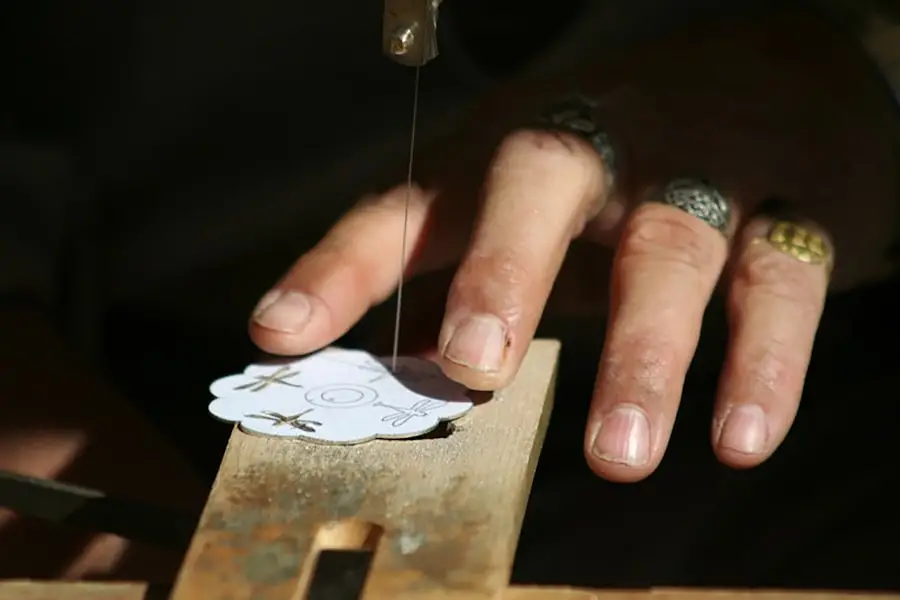
Buffing presents its own set of advantages and disadvantages that we must consider when caring for our luxury watches. One of the primary benefits of buffing is that it enhances shine without removing any material from the watch’s surface. This means that we can maintain the integrity of intricate designs while still achieving a polished appearance.
For those of us who prefer a gentler approach to maintenance, buffing can be an ideal solution. On the flip side, buffing may not be as effective at addressing deeper scratches or significant imperfections as polishing is. While it can improve the overall appearance of a watch, it may not provide the same level of restoration for heavily scratched surfaces.
Additionally, if not performed correctly, buffing can lead to uneven results or leave behind residue from the buffing compounds used. Therefore, we must carefully consider our options based on the specific condition of our watches.
Factors to Consider When Deciding Between Polishing and Buffing
When faced with the decision between polishing and buffing our luxury watches, several factors come into play. First and foremost, we should assess the condition of our timepieces. If there are deep scratches or significant wear visible on the surface, polishing may be necessary to restore their appearance effectively.
Conversely, if our watches only exhibit minor surface imperfections, buffing could suffice. Another important consideration is the type of material used in our watches. Different metals and finishes respond differently to polishing and buffing techniques.
For instance, stainless steel may withstand polishing better than gold or platinum, which are softer and more prone to damage during aggressive polishing methods. We must also take into account how frequently we wear our watches; daily wear may necessitate more regular maintenance than those worn on special occasions. Lastly, we should consider our own comfort level with performing these processes ourselves versus seeking professional help.
While some enthusiasts may feel confident in their ability to polish or buff their watches at home, others may prefer to entrust their valuable timepieces to skilled professionals who have experience in handling luxury watches.
Choosing the Best Option for Your Luxury Watch
In conclusion, choosing between polishing and buffing our luxury watches requires careful consideration of various factors, including the condition of the watch, its material composition, and our personal preferences regarding maintenance methods. Both processes have their merits and drawbacks; thus, understanding these nuances allows us to make informed decisions that best suit our needs. Ultimately, whether we opt for polishing or buffing, what matters most is that we take proactive steps in maintaining our luxury watches.
By doing so, we not only preserve their beauty but also honour their craftsmanship and significance in our lives. As custodians of these exquisite timepieces, let us commit ourselves to ensuring they remain in impeccable condition for years to come.
When it comes to maintaining the pristine appearance of your luxury watch, understanding the difference between polishing and buffing is crucial. Both techniques have their merits, but choosing the right one depends on the specific needs of your timepiece. For those interested in exploring more about luxury watch care, you might find the article on Watch Kings FAQ particularly insightful. It provides a wealth of information on various aspects of watch maintenance, ensuring that your treasured accessory remains in impeccable condition for years to come.
