


In the world of horology, the art of watch polishing holds a significant place. It is not merely a cosmetic enhancement; it is a meticulous process that restores the watch’s original lustre and charm. As we delve into the intricacies of watch polishing, we uncover the delicate balance between preserving the integrity of the timepiece and enhancing its aesthetic appeal.
For many watch enthusiasts, a polished watch is not just about appearance; it reflects the care and attention given to a cherished possession. Watch polishing is an essential skill for both collectors and professionals alike. Over time, watches can accumulate scratches, scuffs, and dullness, detracting from their beauty and value.
By understanding the polishing process, we can ensure that our timepieces remain in pristine condition, ready to be admired and worn with pride. This article will guide us through the various stages of watch polishing, from preparation to final touches, equipping us with the knowledge to maintain our watches effectively.
Summary
- Watch polishing is a delicate process that involves removing scratches and restoring the shine of the watch’s surface.
- Before polishing, it is important to prepare the watch by disassembling it and protecting sensitive parts such as the movement and dial.
- The step-by-step polishing process involves using different grades of abrasives to gradually smoothen the surface of the watch.
- Polishing tools and techniques include using polishing cloths, buffing wheels, and polishing compounds to achieve the desired finish.
- Quality control and inspection are crucial to ensure that the polished watch meets the desired standards and specifications.
Preparing the Watch for Polishing
Before we embark on the polishing journey, it is crucial to prepare the watch properly. This initial step sets the foundation for a successful outcome. First and foremost, we must ensure that the watch is clean and free from any dirt or debris.
A thorough cleaning not only prevents contaminants from scratching the surface during polishing but also allows us to assess the extent of wear and tear on the watch. Using a soft cloth and a gentle cleaning solution, we can wipe down the case, bracelet, and crystal, ensuring that every nook and cranny is attended to. Once the watch is clean, we should carefully inspect it for any damage that may require special attention.
This includes checking for loose parts, damaged crystals, or any mechanical issues that could be exacerbated by the polishing process. If we discover any significant problems, it may be wise to consult a professional watchmaker before proceeding. By taking these precautions, we can safeguard our timepiece and ensure that it receives the best possible care during the polishing process.
Step-by-Step Polishing Process
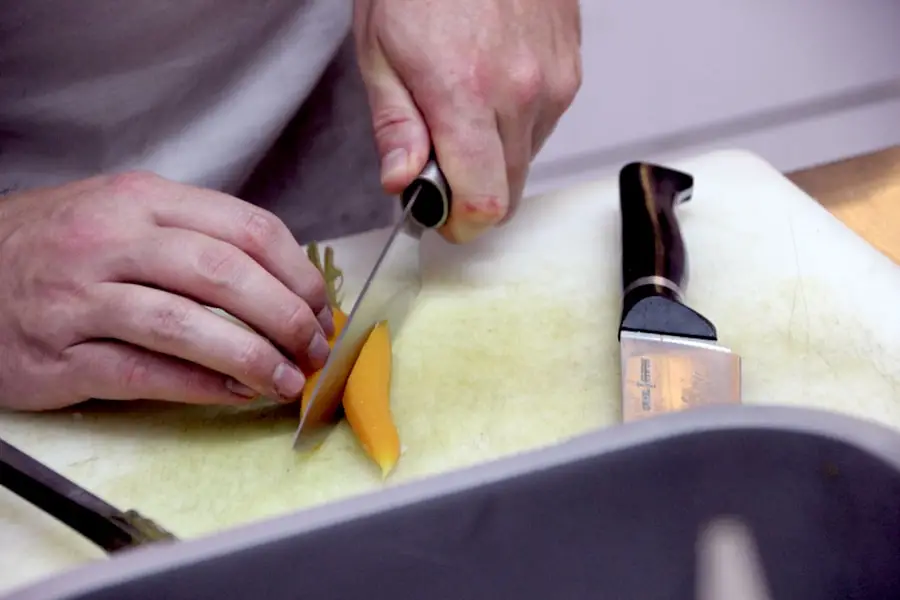
With our watch prepared and inspected, we can now move on to the actual polishing process. This stage requires patience and precision, as we aim to restore the watch’s original shine without compromising its structural integrity. We begin by selecting an appropriate polishing compound based on the material of our watch case—be it stainless steel, gold, or another metal.
Each material has its unique characteristics, and using the right compound is essential for achieving optimal results. The first step in polishing involves applying a small amount of compound to a soft cloth or polishing wheel. We should work in small sections, gently buffing the surface in circular motions.
This technique allows us to evenly distribute the compound while avoiding excessive pressure that could lead to further scratches or damage. As we progress, we will notice the surface becoming smoother and more reflective. It is important to frequently check our work to ensure that we are not over-polishing any areas, as this can lead to uneven surfaces or loss of detail.
Polishing Tools and Techniques
To achieve a professional finish, we must equip ourselves with the right tools and techniques. While some may opt for electric polishers for efficiency, we believe that manual polishing offers greater control and finesse. A variety of polishing pads and cloths are available, each designed for specific tasks.
For instance, we might use a softer pad for delicate areas and a firmer one for more robust sections of the watch. In addition to pads and cloths, we should also consider using different grades of polishing compounds. Starting with a coarser compound can help remove deeper scratches, while finer compounds are ideal for achieving a high-gloss finish.
As we polish, we should remain mindful of our technique—using light pressure and maintaining a consistent motion will yield the best results. Furthermore, it is essential to keep our tools clean and free from debris to avoid introducing new scratches during the process.
Quality Control and Inspection
Once we have completed the polishing process, it is time for quality control and inspection. This stage is crucial in ensuring that our efforts have paid off and that the watch meets our expectations. We should take a moment to examine the watch under good lighting conditions, looking for any remaining imperfections or areas that may require further attention.
A magnifying glass can be particularly useful in this regard, allowing us to scrutinise every detail closely. During this inspection phase, we should also check for any signs of over-polishing or loss of detail in engraved areas or brushed finishes. If we notice any issues, it may be necessary to revisit those specific areas with a lighter touch or a different technique.
Quality control is not just about aesthetics; it also involves ensuring that all components are functioning correctly after the polishing process. We should test the watch’s movement and ensure that everything operates smoothly before considering it complete.
Final Finishing Touches
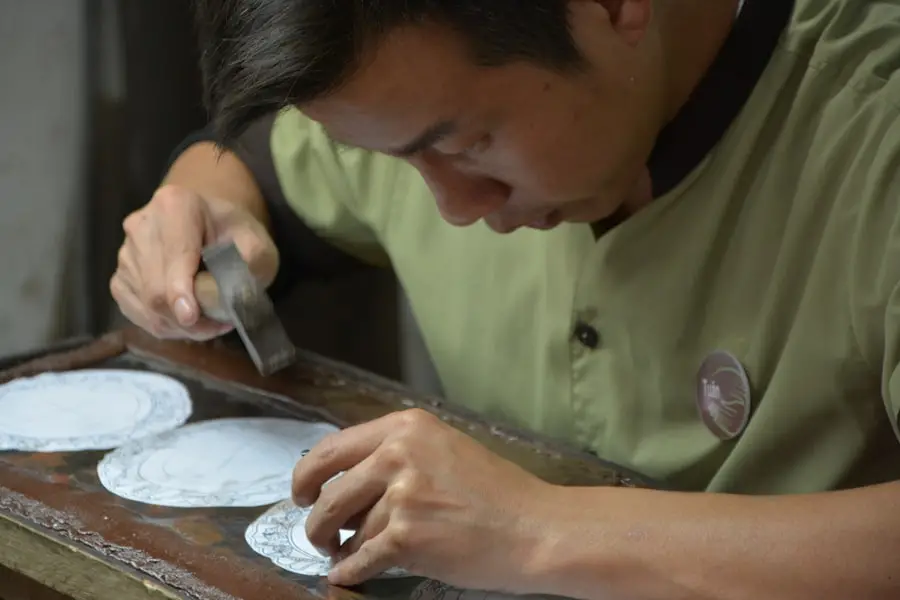
With our watch polished to perfection, we can now focus on the final finishing touches that will elevate its appearance even further. One effective method is to apply a protective coating or wax designed specifically for watches. This not only enhances the shine but also provides an additional layer of protection against future scratches and tarnishing.
Applying this coating requires careful attention; we should use a soft cloth to apply it evenly across all surfaces. Additionally, we might consider reassembling any components that were removed during the polishing process, such as straps or clasps. Ensuring that everything fits snugly and securely is vital for both functionality and aesthetics.
Finally, giving our watch a thorough final inspection will help us catch any last-minute details before it is ready for wear or display.
Tips for Maintaining the Polished Watch
Having invested time and effort into polishing our watch, it is essential to adopt practices that will help maintain its pristine condition. Regular cleaning is paramount; using a soft cloth after each wear can help remove dirt and oils that accumulate on the surface. We should also store our watches in a cool, dry place away from direct sunlight to prevent fading or damage over time.
Moreover, we should be mindful of how we wear our polished watches. While they are designed to withstand daily use, avoiding exposure to harsh chemicals or abrasive surfaces can significantly prolong their beauty. If we engage in activities that may put our watches at risk—such as sports or manual labour—it may be wise to opt for a more robust timepiece during those times.
Conclusion and Final Thoughts
In conclusion, watch polishing is an art form that requires skill, patience, and attention to detail. By understanding each step of the process—from preparation to final touches—we can ensure that our timepieces remain in excellent condition for years to come. The satisfaction derived from restoring a watch’s original beauty is unparalleled; it not only enhances our enjoyment of the piece but also preserves its value.
As we continue our journey in horology, let us remember that proper care extends beyond just polishing. By adopting good maintenance practices and being mindful of how we treat our watches, we can keep them looking their best while cherishing their history and craftsmanship. Ultimately, each polished watch tells a story—a testament to our dedication as custodians of these remarkable timekeeping instruments.
In the intricate world of horology, the art of watch polishing is a crucial skill that ensures timepieces maintain their lustre and elegance. The article “Watch Kings’ Step-by-Step Polishing Process Explained” delves into the meticulous techniques employed by experts to restore watches to their original splendour. For those interested in exploring more about prestigious watch brands, the Patek Philippe section on Watch Kings offers a fascinating insight into one of the most revered names in the industry. This brand is renowned for its exquisite craftsmanship and timeless designs, making it a perfect complement to the detailed polishing processes discussed.
